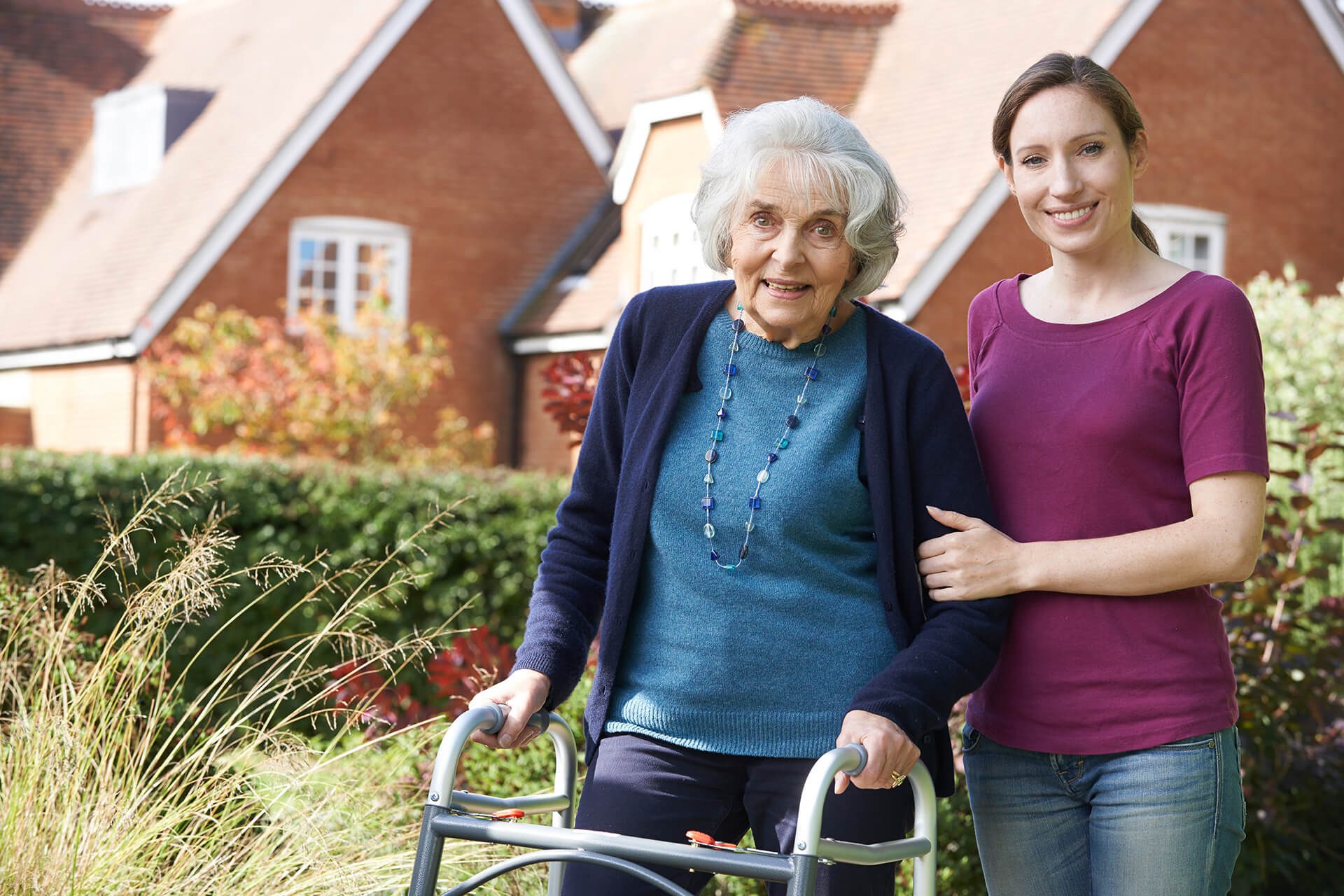
5 Ways to Help Seniors Fight Loneliness
How to help the elderly avoid loneliness
Loneliness is a devastating condition that affects millions of people, but it’s especially hard on seniors. As we age, we lose friends, family members, and loved ones to death or illness. We become less mobile and more dependent on others for our daily needs. As a result, many seniors suffer from loneliness and social isolation—and it can have serious consequences for their health.
But there are steps you can take to help your aging loved ones fight the loneliness that threatens their well-being. Here are 5 ways to help your senior citizens beat loneliness:
1. Stay connected with them: Contacting them regularly is one of the best ways to help your senior citizens feel connected with the world around them. They’ll appreciate hearing from you—and having someone to talk to on the phone can be an excellent alternative to feeling lonely in their own home!
2. Get out of the house: Even if they don’t want to go anywhere or do anything particular, encourage them to get out and about every day—even if just for a walk around the block or a quick trip down the street. This will help them maintain their independence while also ensuring they stay active and engaged in life outside
3. Bring them food and gifts when they’re sick or feeling down—even just a card saying “thinking of you!” will mean a lot to someone who isn’t getting much attention from others at this point in their life.
4.Invite them over for dinner once in a while! It’s easy enough for everyone involved if you plan ahead: make sure you have enough food for everyone (and maybe even an extra guest)
5. Join a club or activity at a senior center. You can even volunteer your time at these places—many of them offer classes and activities that are free or low-cost for seniors in your area.
“When thinking about companions gone, we feel ourselves doubly alone.”
– Sir Walter Scott
Lost friends, lost spouses,even lost children make us lonely.
Many times, loneliness seems to come with becoming older: We become lonely when our friends, spouses, or even children pass away.
Everyone experiences loneliness when their partner passes away, gets divorced, or becomes ill and is unable to be with them.
Seniors who have lost friends or whose lives have been cut off from their family can relate to loneliness.
If we allow it take hold of us, loneliness might even be regarded as a sign of ageing.
“No one would choose a friendless existence on condition of having all the other things in the world.” Aristotle “What loneliness is more lonely than distrust?”
– T.S. Eliot